Style of Record looks at the interplay between music and fashion, two forces that continually inspire one another. From the runway to the record sleeve, this series uncovers how style and sound shape identity and culture.
Grime and glamour don’t typically go together, but in 1992, Marc Jacobs gave Perry Ellis the grunge treatment in his fourth—and final—collection for the preppy brand. Never mind that this was the early nineties and Ellis himself was credited for revolutionizing American sportswear a couple of decades back. That night, the twenty-nine-year-old designer put forth a stylish yet harrowing diagnosis of the state of youth culture down the Spring/Summer 1993 runway.
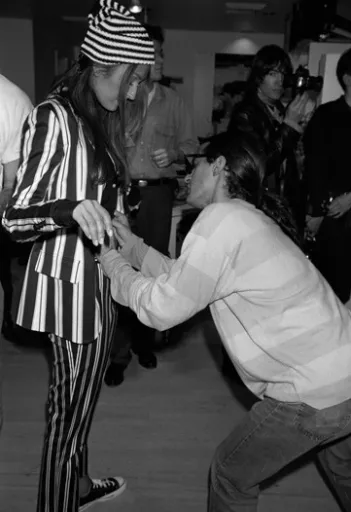
Let’s just say Perry Ellis’ SS93 smelled more like teen spirit than the house’s floral middle notes of its 360° debut fragrance earlier that year. Unlike Nirvana’s big breakthrough into mainstream music, Jacobs’ “ghastly” grunge collection made fashion editors and buyers thunder up in flames. Not the good kind, though; as far as the reviews were concerned, his design career was as dead as rock’n’roll’s upteenth revival.
This was, after all, the era that followed 1980s greed at its best, led by a disillusioned generation grappling with mental health burnout and social injustice at its worst
Born into the anti-conformist attitude of Washington’s close-knit underground music scene, particularly in towns like Olympia, Aberdeen, and Seattle, grunge’s punk-slash-metal hybrid sound—the great and heavy ‘Seattle Sound’—gave young people an angst-fueled soul that paired well with the demands of everyday life.
You know what went well with that, too? Thrifted frayed flannels, knobby wool sweaters, gritty work boots, and a DIY philosophy that signaled a rejection of societal norms and a desire for authenticity over perfection.
In 1988, Jacobs was brought on as creative director and vice president to Perry Ellis to inject new, modern energy into the successful but staid brand. However, the confines of the fashion industry were still very narrow back then, and not even the CFDA’s youngest recipient of the New Fashion Talent Award could do anything about it yet.
Four years into his shiny corporate role, Jacobs’ collections were considered okay—boring in polite fashion-speak—too safe a fashion statement for his own creative good. “I said, ‘Fuck it, I can’t do this anymore.’ I needed to do things that meant something to me,” as told to The Cut’s Cathy Horyn in 2015.
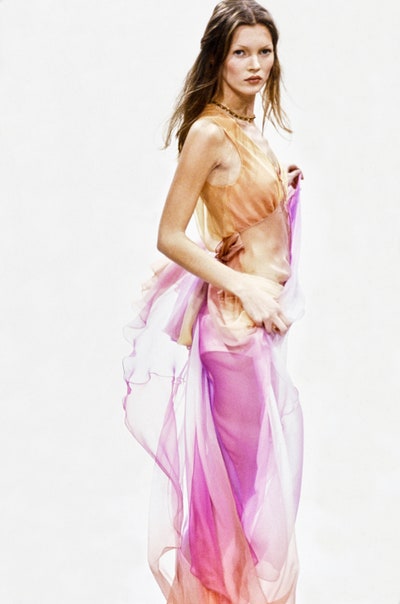
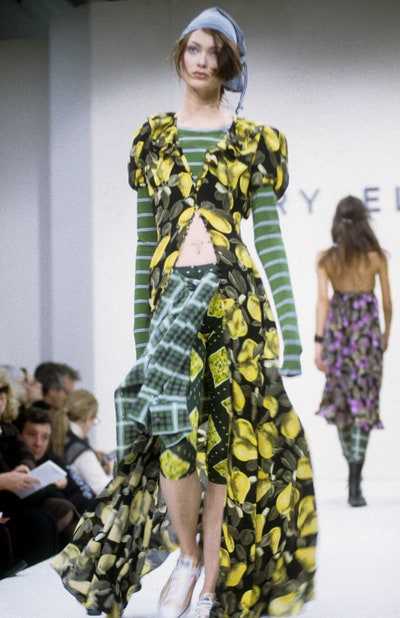
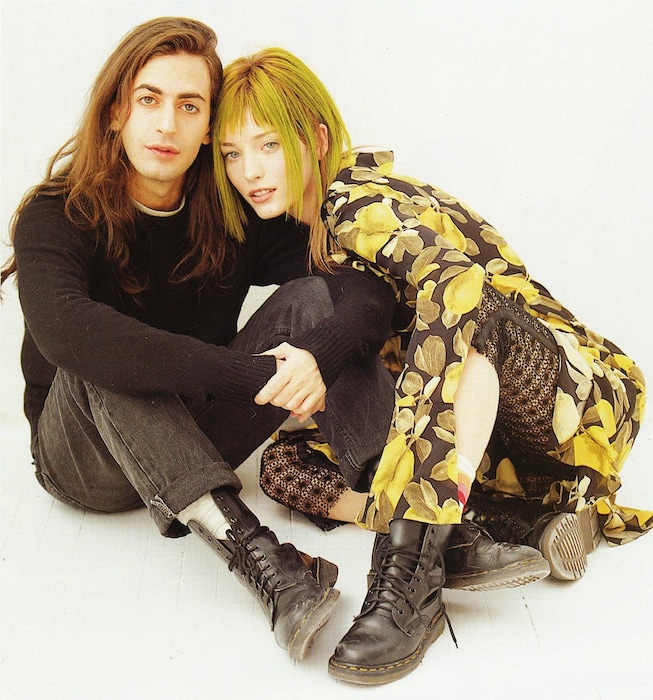
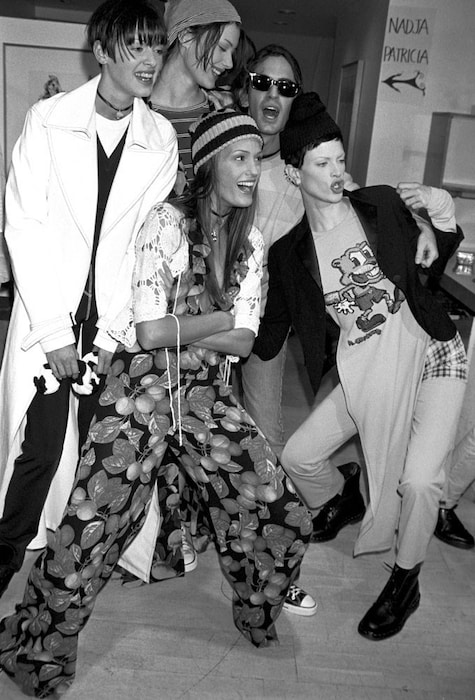
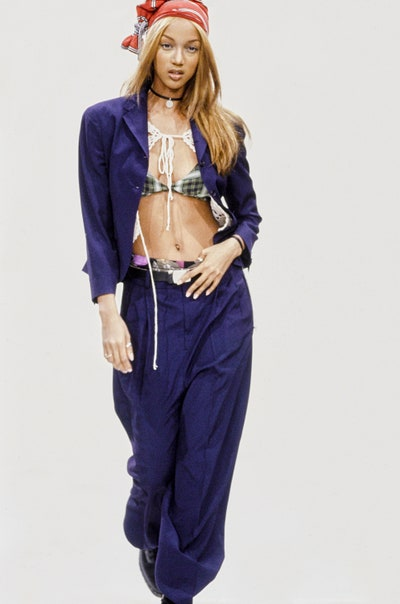
Jacobs didn’t have to look further than his own condition when it came to sourcing fresh meat for his seminal collection. His twenty-six looks hovered somewhere between primed-and-pollished Seventh Avenue and the swinging Northwest Seattle scene. He served silk shirts that were made to mimic flannel, chiffon dresses that paid homage to $10 granny-inspired finds, and clashing prints on a silver platter, styled with slouchy knit beanies, Doc Martens, and Converse as side dishes.
There was an organic quality to the show’s casting as well. Supermodels of the time like Christy Turlington, Kristen McMenamy, Helena Christensen, Naomi Campbell, Tyra Banks, and Carla Bruni walked the show, but so did Kate Moss, grunge’s unintentional poster girl: “I was part of the grunge thing, that’s how we dressed. So the fashion wasn’t shocking to me at all, but it was to everyone else.”
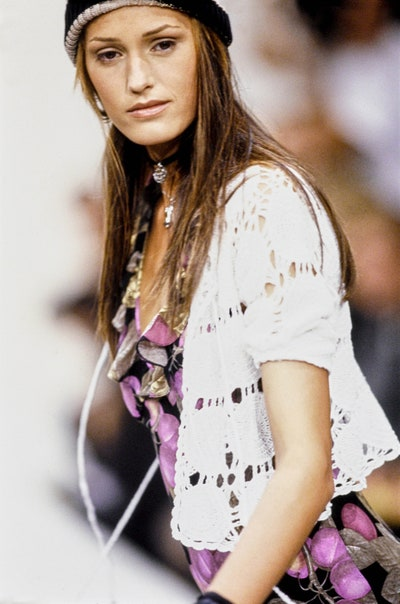
If fashion’s relationship to youth culture is any indication, dressing for oneself has always been a question of how to express identity, authenticity, and attitude through design. And, whether we’d like to admit it or not, the way we dress brings us closer to our chosen tribe.
Jacobs’ overnight stardom might have cost him his first big high-fashion job, but that exit also gave him the tiny boost he needed to start his own line. He and his partner, Robert Duffy, used part of their severance money to secure a lease for what would become the first Marc Jacobs flagship store on Mercer Street. Perry Ellis, on the other hand, shut down its womenswear line.
As far as what happened to grunge after Marc Jacobs’ stint at Perry Ellis remains a tale as old as time.
High-end $275 flannel shirts didn’t speak of grunge’s unconcerning attitude towards materialism, nor did $175 beanies live up to their founding working-class DNA. When Jacobs sent samples to Courtney Love and Kurt Cobain, they weren’t exactly moved by them, either. “Do you know what we did with it?” Love said in 2010. “We burned it. We were punkers – we didn’t like that kind of thing,” which is the grunge-iest backlash they could have possibly made.
Naturally, once a subculture gets the mass-marketing treatment from multi-million dollar industries, it’s all downhill from there.
Grunge’s counter-culture allure waned before the turn of the new millennium, but thankfully not without a bang. In all fairness, Jacobs’ grunge scandal marked the start of a new era in high fashion propelled by insatiable culture makers, not restrained by unappeased industry gatekeepers. Grime and glamour are a dish best served cold.