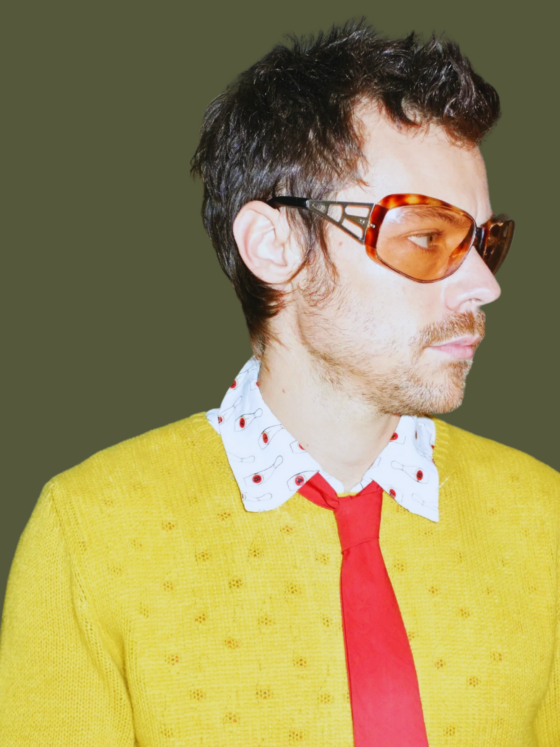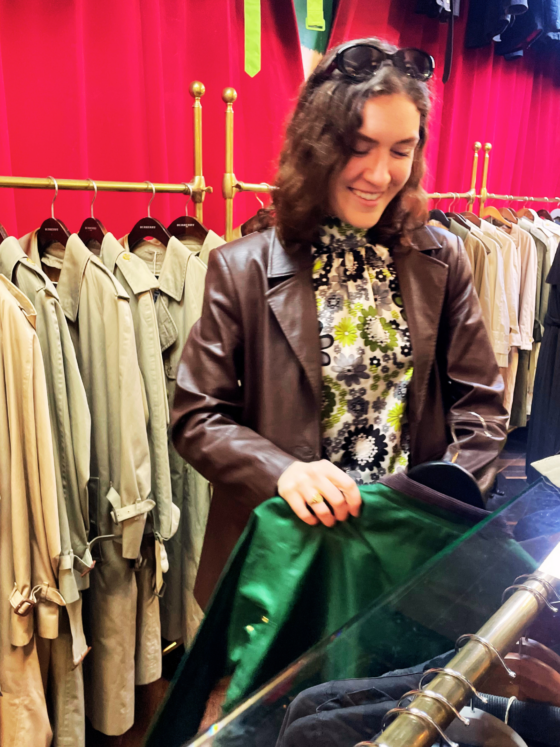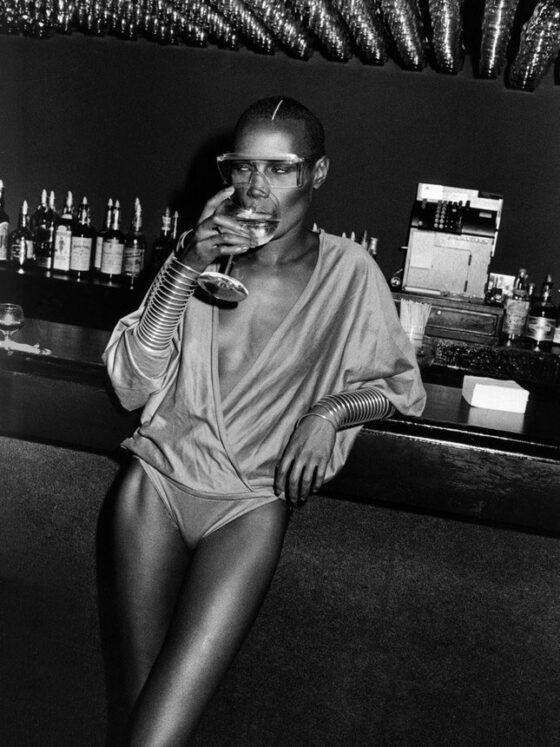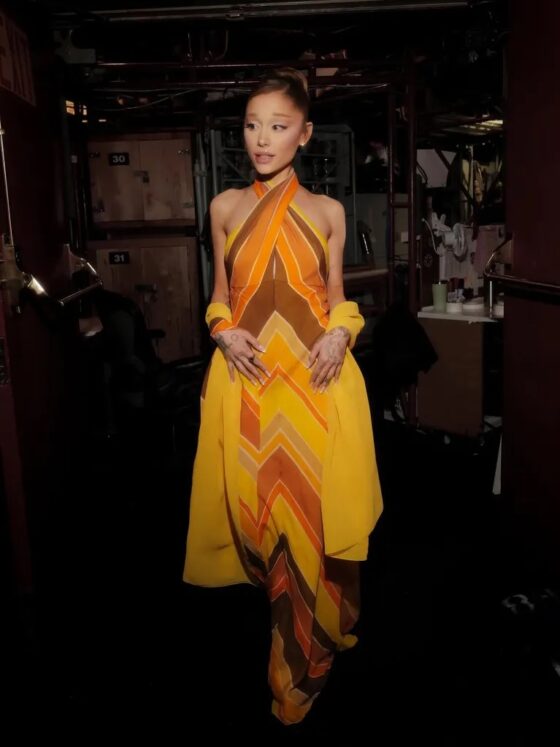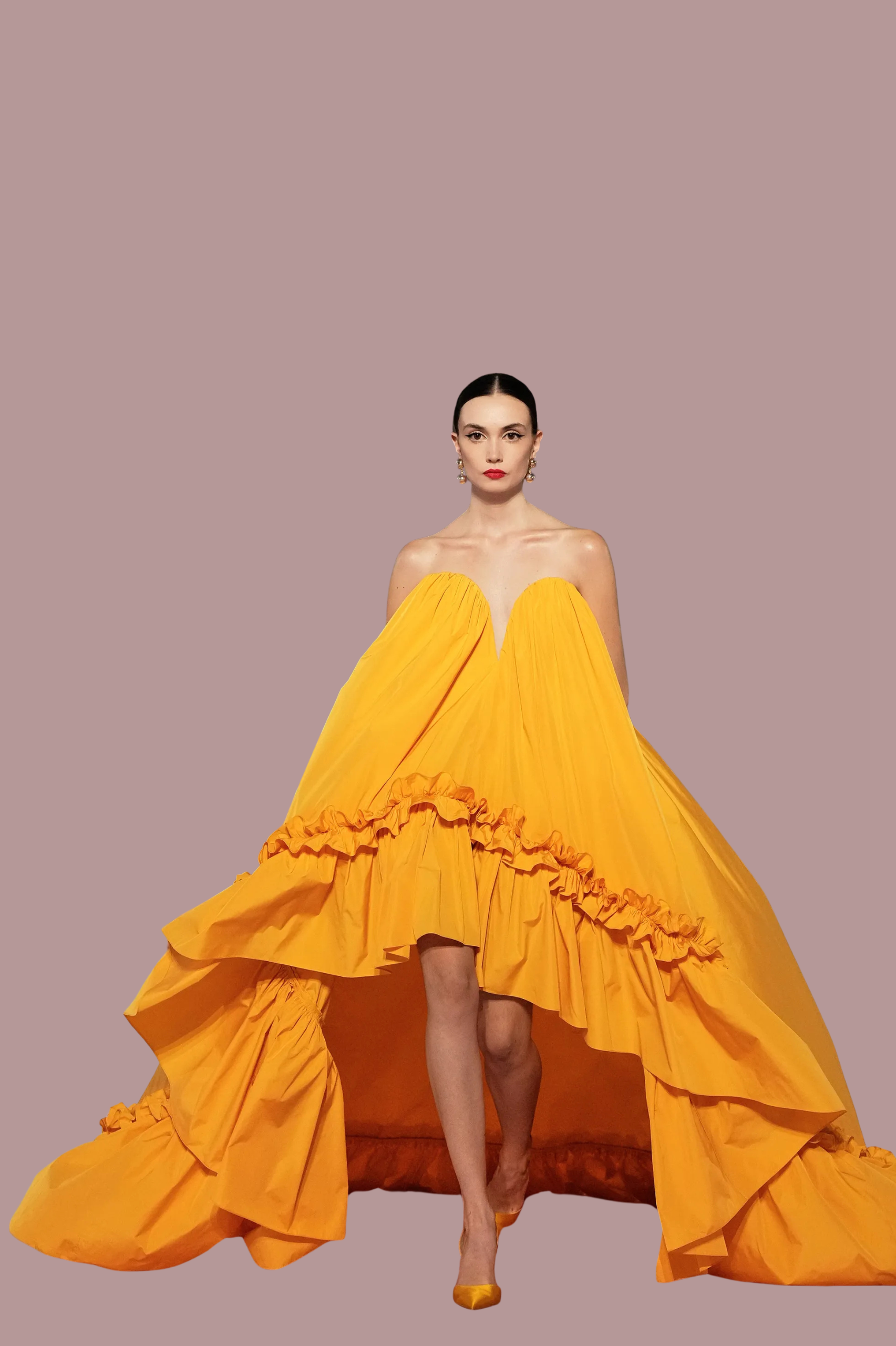
Spring/Summer 2026 unfolded less like a seasonal refresh and more like a cultural conversation. Across New York, London, Milan, and Paris, fashion’s enduring capitals, designers harnessed bold color and dramatic silhouettes, but beneath the visual spectacle was something deeper: a renewed respect for fashion history and global heritage, reinterpreted for a restless present.
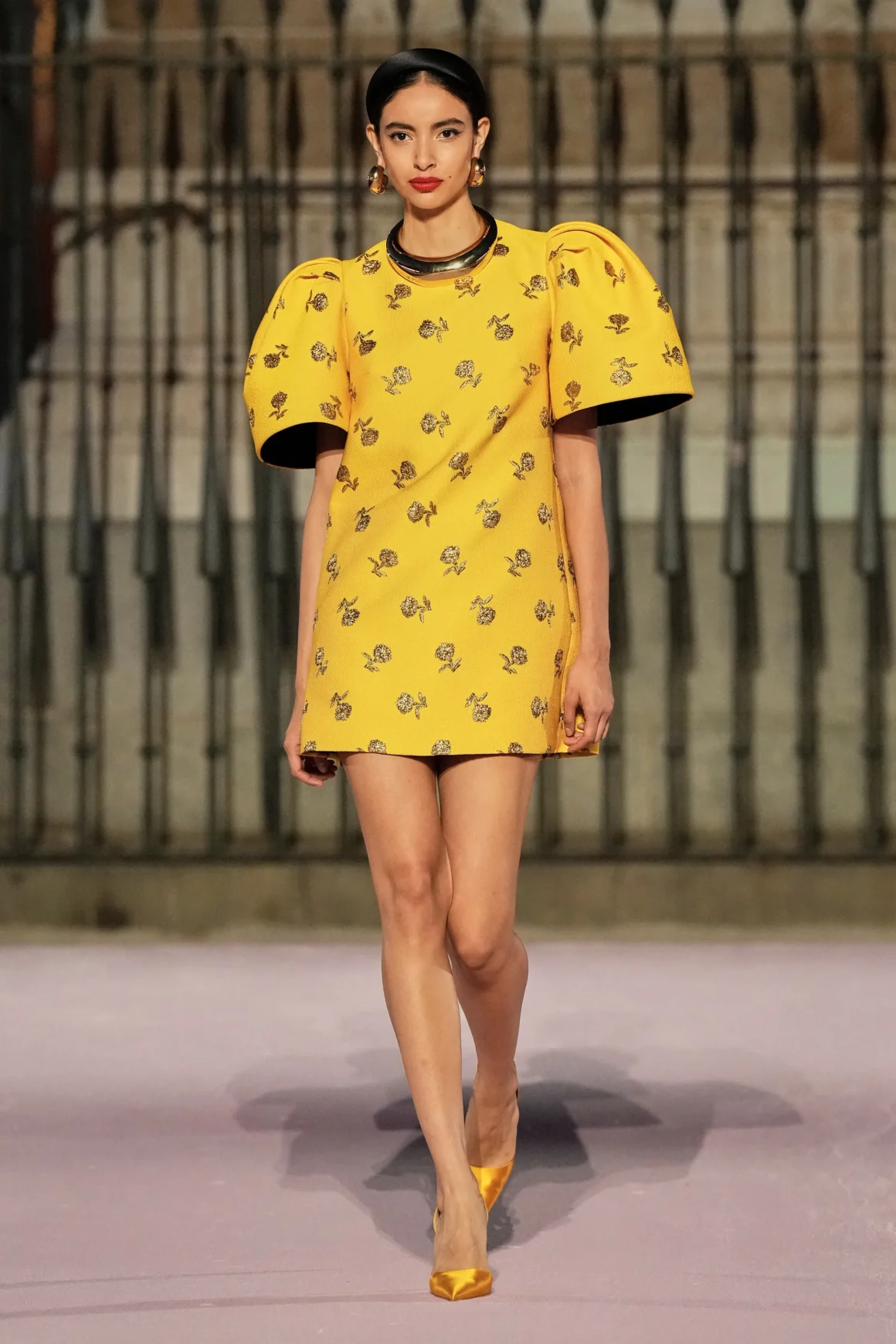
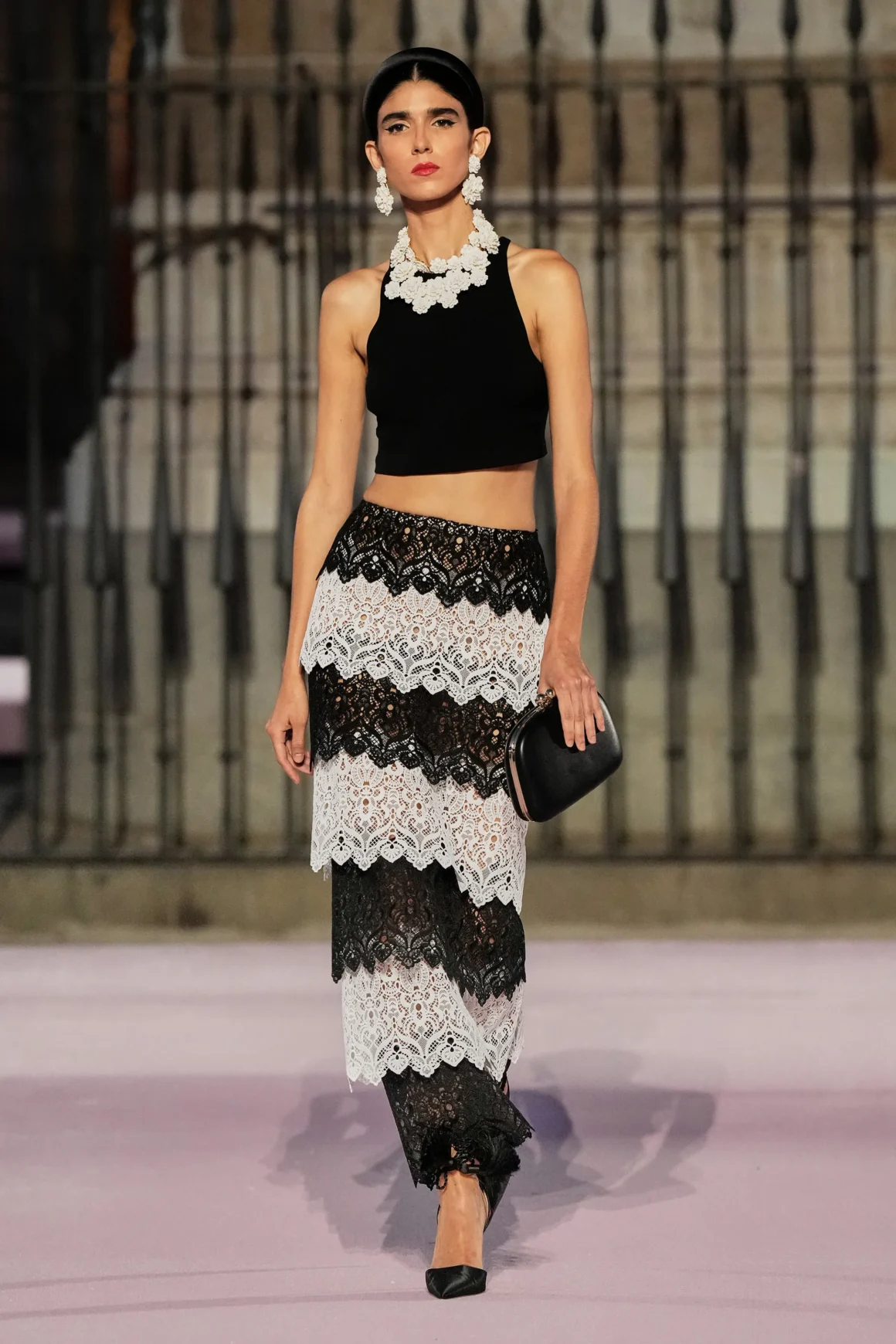
One of the most symbolic moments came when Wes Gordon chose Madrid over New York for Carolina Herrera’s SS26 presentation, reaffirming fashion’s willingness to rethink geography while honoring legacy. By anchoring the collection in Spain, the house nodded to heritage, craftsmanship, and the emotional weight of place. This global shift echoed throughout the season, reinforcing fashion’s growing willingness to step outside its traditional capitals without abandoning them.
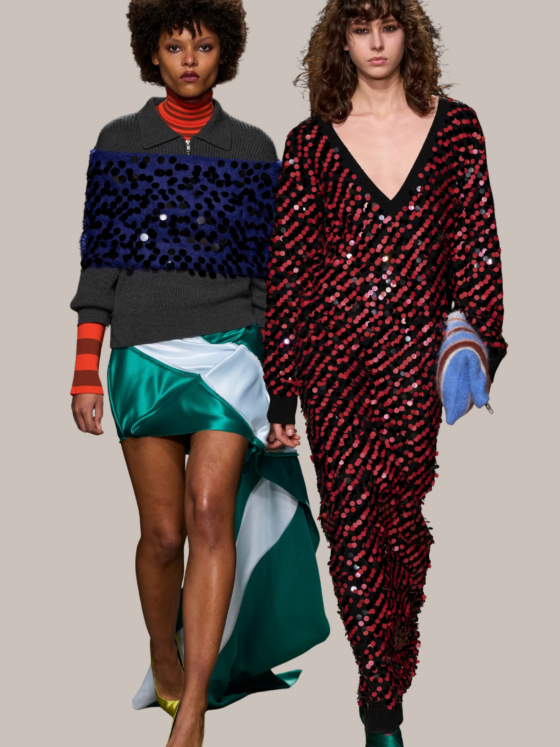
Milan Fashion Week stood as a highlight of the season. For Fendi, a kaleidoscope of turquoise, vermillion, and bubblegum hues defined a “forever summer” aesthetic, blending relaxed elegance with playful proportion. Prada reimagined the skirt with voluminous bubble hems in candy-colored silk taffeta, while Gucci’s “La Famiglia” delivered confident, logo-trimmed glamour under new creative direction. Designers like Bottega Veneta and Jil Sander also balanced precision tailoring with rich color and unexpected volume, proving that structure and exuberance can coexist seamlessly.
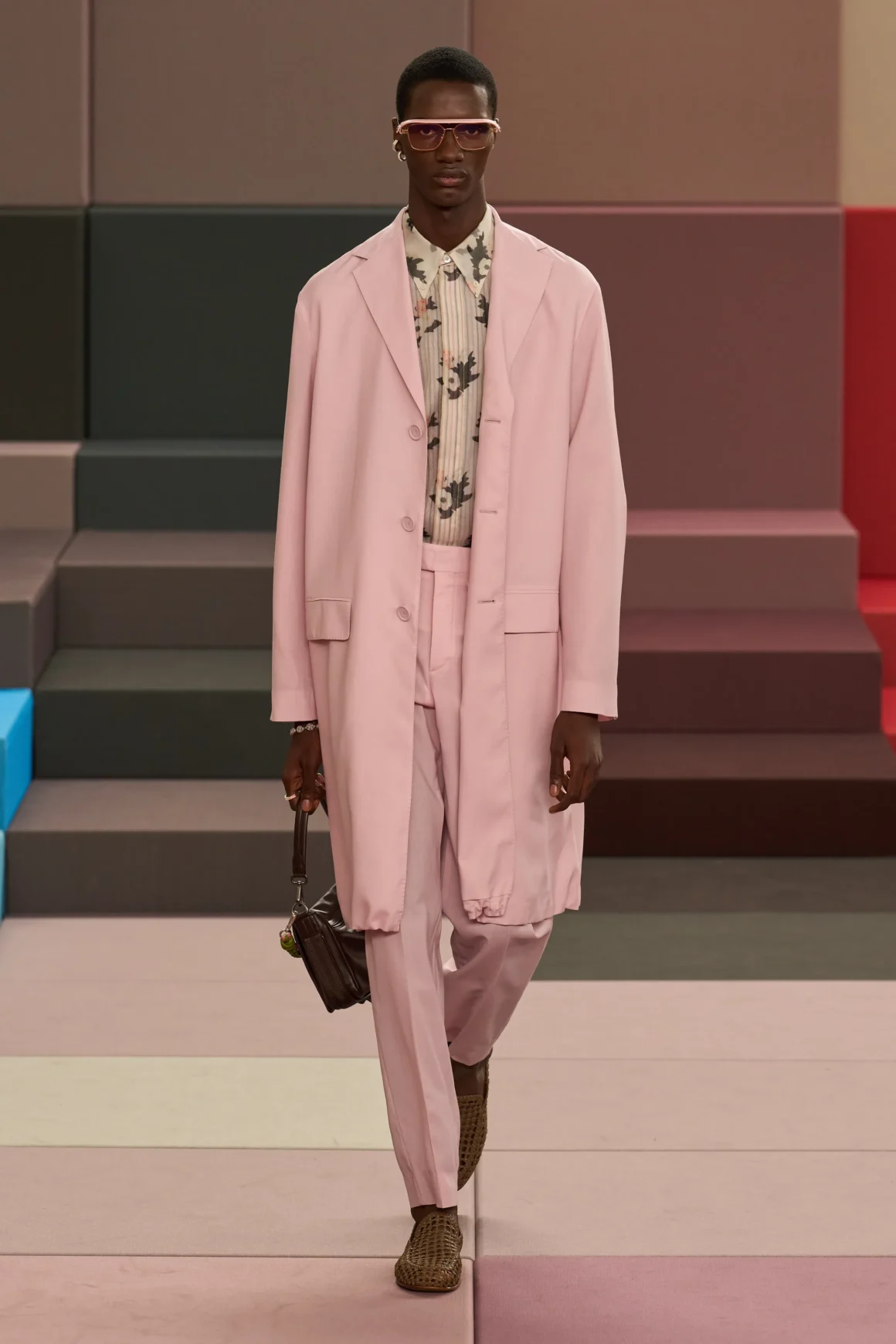
London Fashion Week lived up to its reputation for creative diversity. Shows from Simone Rocha blended deconstructed femininity with floral-inspired embellishment, while Burberry’s grand finale at Kensington Palace Gardens showcased vibrant leather suits and sequinned shifts. Oscar Ouyang and Conner Ives injected fresh narratives, from knitwear innovation to Y2K-inspired references, reminding audiences that London remains a birthplace of new ideas.
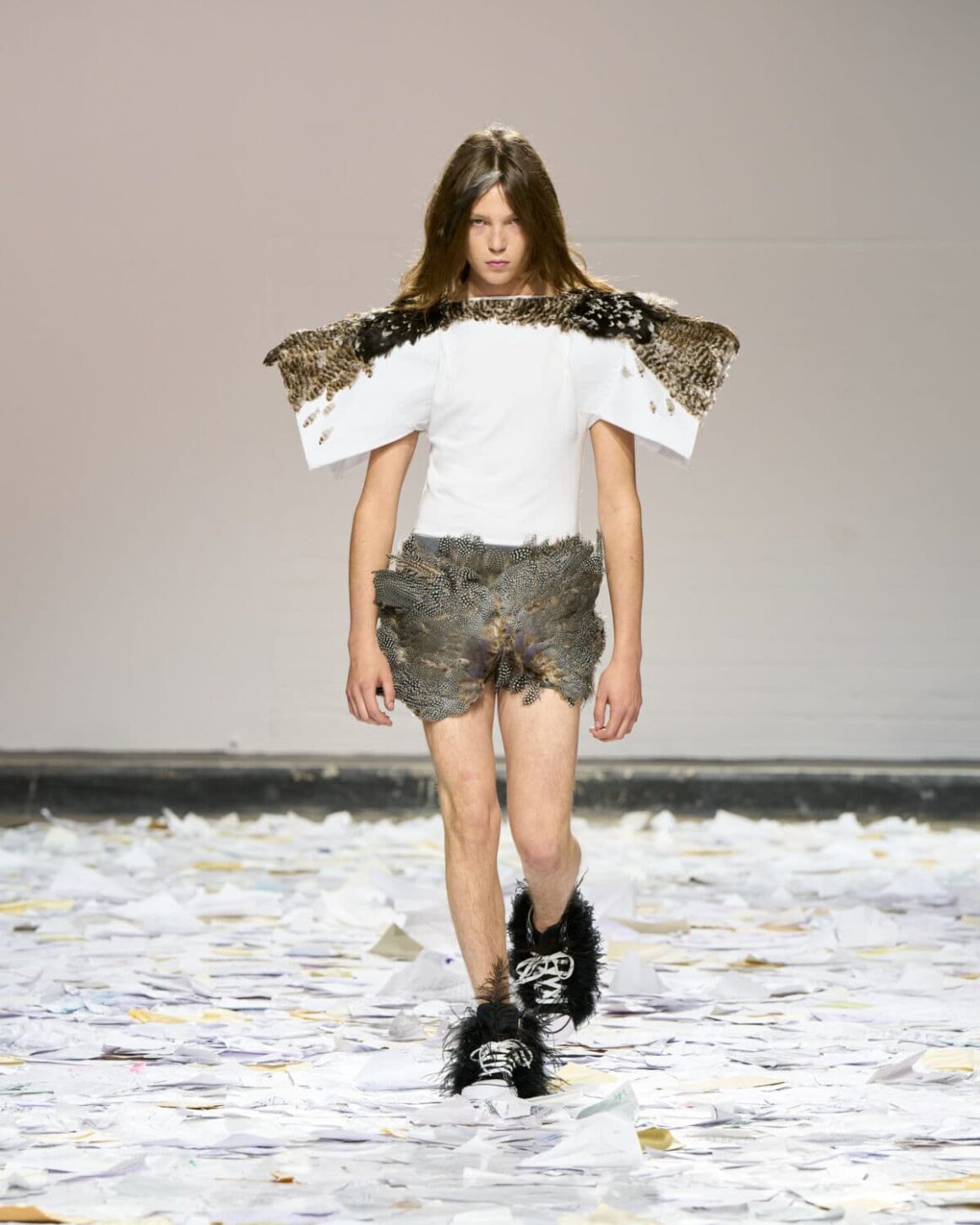
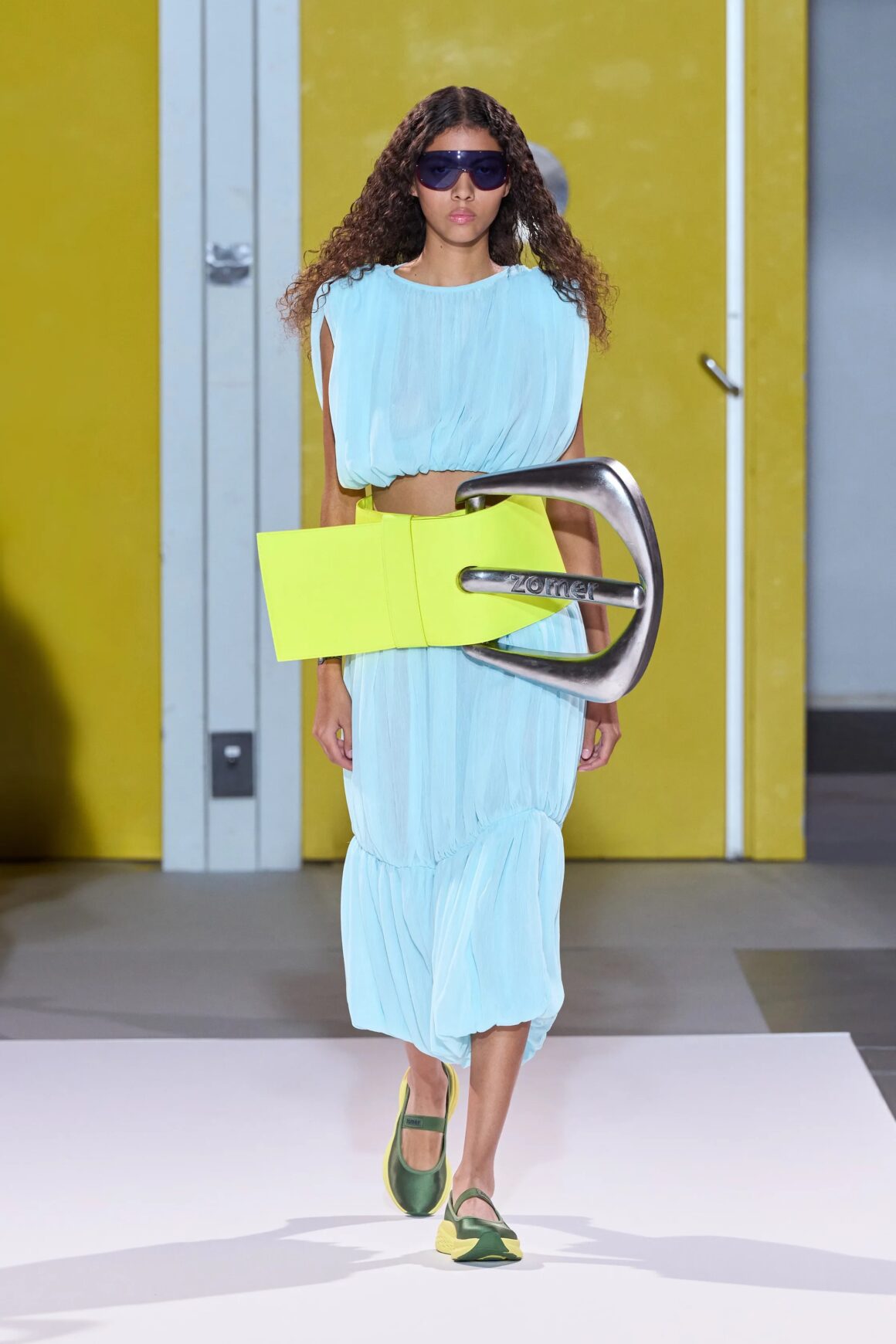
Paris delivered its own distinct energy. Zomer embraced maximal color and euphoric proportion, with umbrella-inspired dresses and oversized belts defining a joyful, creative runway mood that contrasted minimalism with expressive playfulness.
Beyond these centers, SS26’s global reach was clear. Seoul Fashion Week showcased reinterpretations of ties, transparency, and street sensibility in shows by labels like Andersson Bell and Caruso, illustrating how athletic heritage and modern tailoring can coalesce into narrative depth. Copenhagen brought attention to designers like Cecilie Bahnsen, whose pastel puff-sleeved dresses drifted down pier runways, embodying softness and craftsmanship.
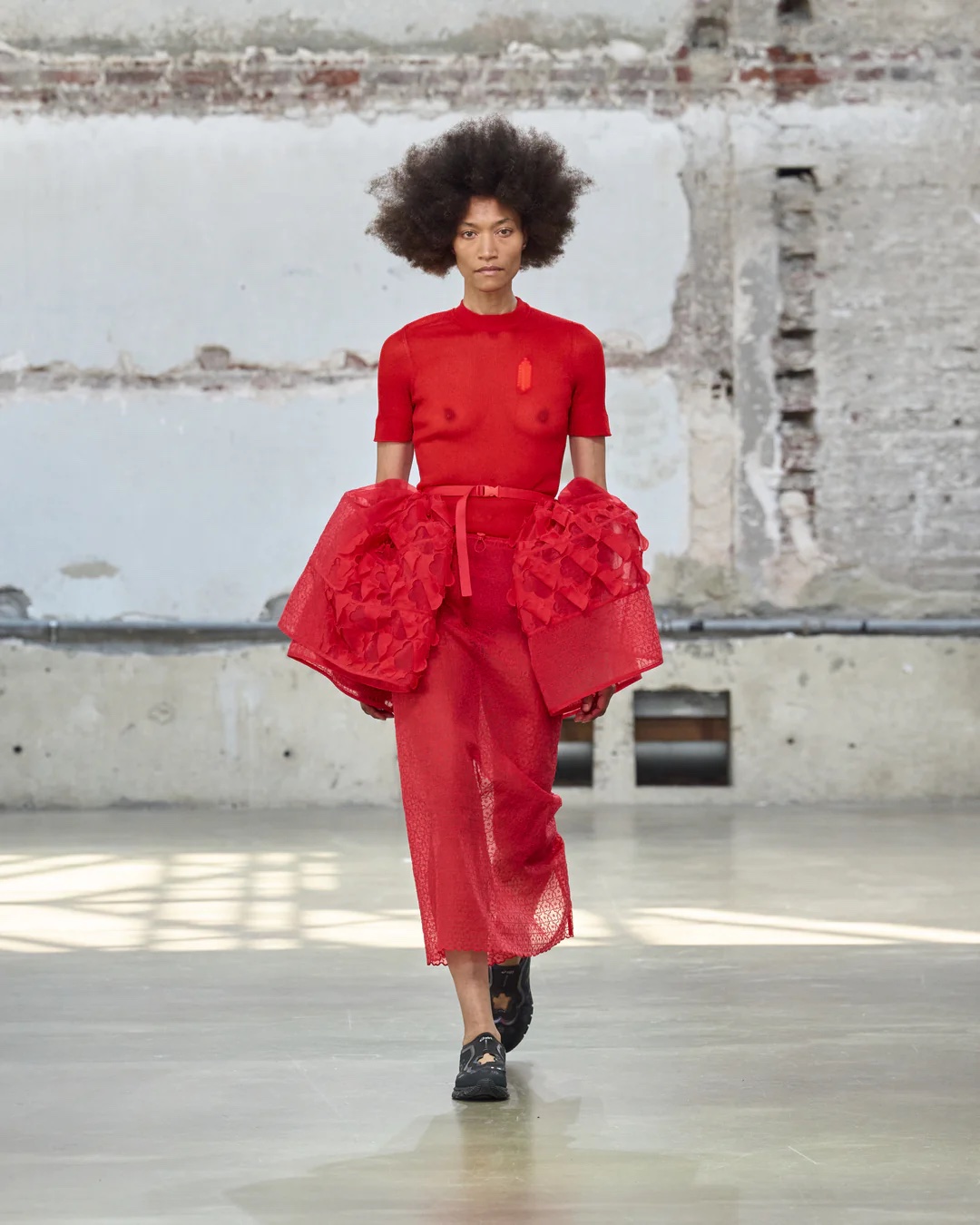
SS26 ultimately positioned fashion as both archive and amplifier. By honoring memory while embracing innovation, the season suggested that the future of style lies not in dominance, but in exchange.
Key Takeaways
- Designers used color and volume as emotional language rather than mere materials.
- Heritage houses and emerging creatives both contributed essential narratives.
- Global cities beyond the Big Four shaped seasonal energy and trends.
- Playful experimentation and tailored precision co-existed across collections.
What’s Next
The SS26 season signals a future where expressive fashion challenges traditional tailoring, integrates technological and sustainable approaches, and continues to draw strength from diverse cultural influences, fashion not just as clothes, but as a reflection of identity, history, and place.